

01 / AEROSPACE
QEVRATH Navigation AI
A 3D aerospace animation illustrating fairing separation and payload deployment in space, presented as a QEVRATH Navigation AI concept.
3D animationFlight visualizationOperator oversight

QEVRATH is a defense AI concept for bringing sensor data, system health and mission context into one shared operational picture. Designed for defense teams and critical infrastructure operators, it explores navigation support, intelligence analysis and coordinated decision support across five domains.
Aerospace navigation · Embedded intelligence
A closer look at the QEVRATH vision for aerospace navigation and embedded computing.
A 3D aerospace animation illustrating fairing separation and payload deployment in space, presented as a QEVRATH Navigation AI concept.
A cinematic concept animation exploring a digital interface and embedded computing on a sniper rifle.
QEVRATH CORE is the proposed intelligence layer: bringing together data from distributed sensors and systems, highlighting changes and presenting relevant information to authorized teams. The architecture below describes the intended system, rather than a deployed capability.
A high-level AI architecture for secure data fusion, AI inference, predictive intelligence, decision support and controlled deployment across heterogeneous defense environments.
Each QEVRATH AI system is designed around a distinct mission function while sharing common security, data and authorization infrastructure.
Sensor-fused navigation intelligence, route optimization, resilient positioning, anomaly awareness, mission planning and autonomous mobility support for aerospace and unmanned platforms.
Multi-source detection, classification, confidence scoring, change recognition, movement forecasting and priority assessment for defensive awareness.
Operational picture generation, mission summaries, resource awareness, risk comparison, coordination support and decision assistance for authorized command environments.
Shared autonomy for aerial, ground, surface and subsurface platforms with mission constraints, health monitoring, navigation support and coordinated tasking.
Threat prioritization, defensive coordination, response comparison, countermeasure decision support and human authorization workflows for defensive missions.
Behavioral anomaly detection, threat hunting, intrusion analysis, automated containment support, network resilience and protection for defense and critical infrastructure networks.
Orbital awareness, satellite health monitoring, conjunction risk prediction, communications resilience, anomaly detection and space-domain situational awareness.
RF environment awareness, signal classification, spectrum monitoring, communications anomaly analysis and electronic-threat awareness.
AI-assisted interpretation of satellite, aerial, thermal and reconnaissance imagery for object detection, terrain understanding, change detection and damage assessment.
Mission rehearsal, scenario generation, digital environments, system evaluation, failure testing and controlled validation before deployment.
Predictive maintenance, fleet health, supply planning, mission-readiness forecasting, resource allocation and logistics decision support.
Identity, access controls, mission policy, permission boundaries, audit logging, fail-safe states, model monitoring and human authorization across QEVRATH systems.
QEVRATH is designed around interoperable mission intelligence, allowing specialized systems to operate independently while contributing to a shared cross-domain picture.

AI infrastructure for aerospace navigation, unmanned aviation, ISR processing, mission awareness and coordinated defensive operations.
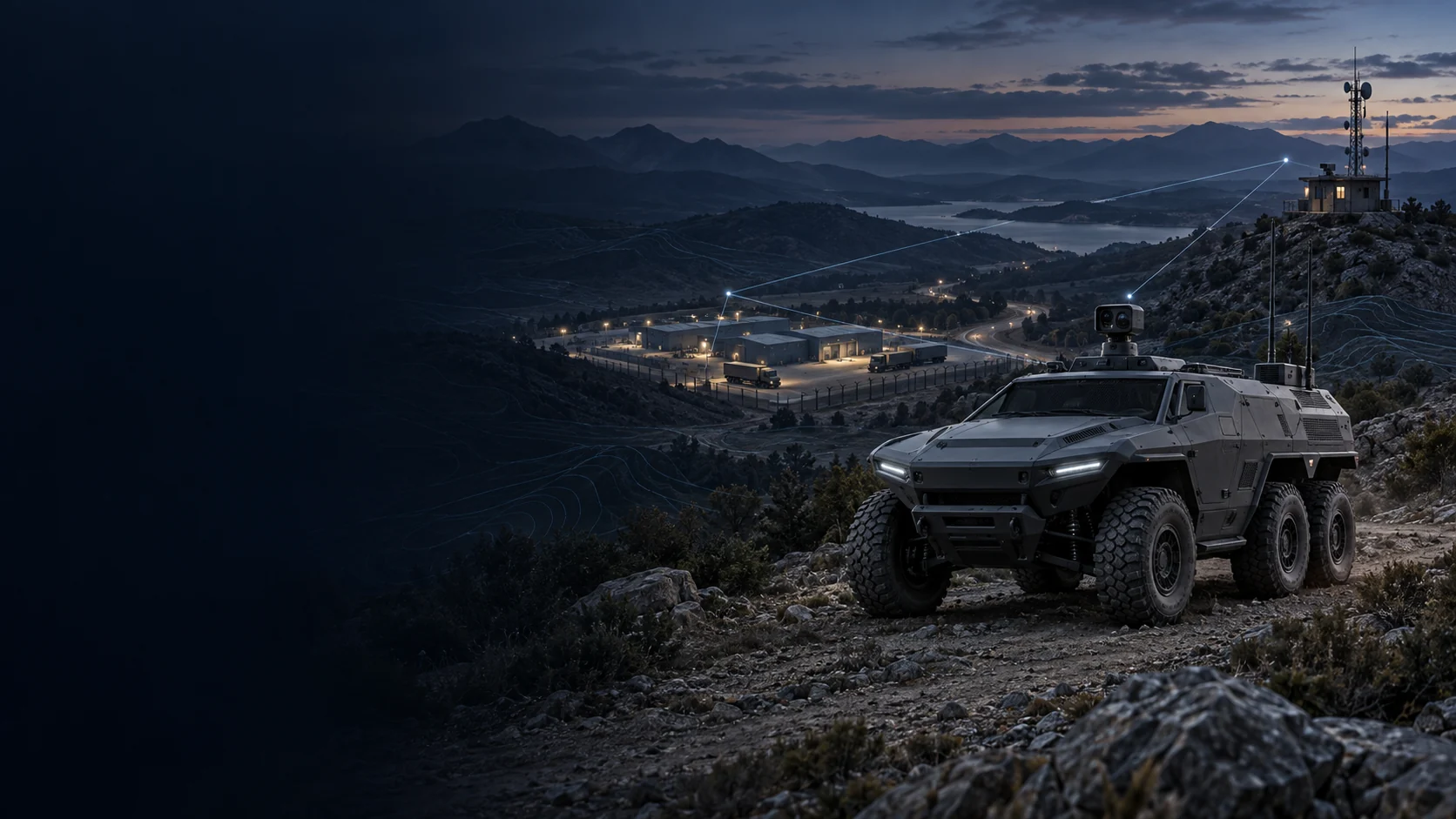
Operational intelligence for ground vehicles, reconnaissance systems, infrastructure defense, logistics and mission support.
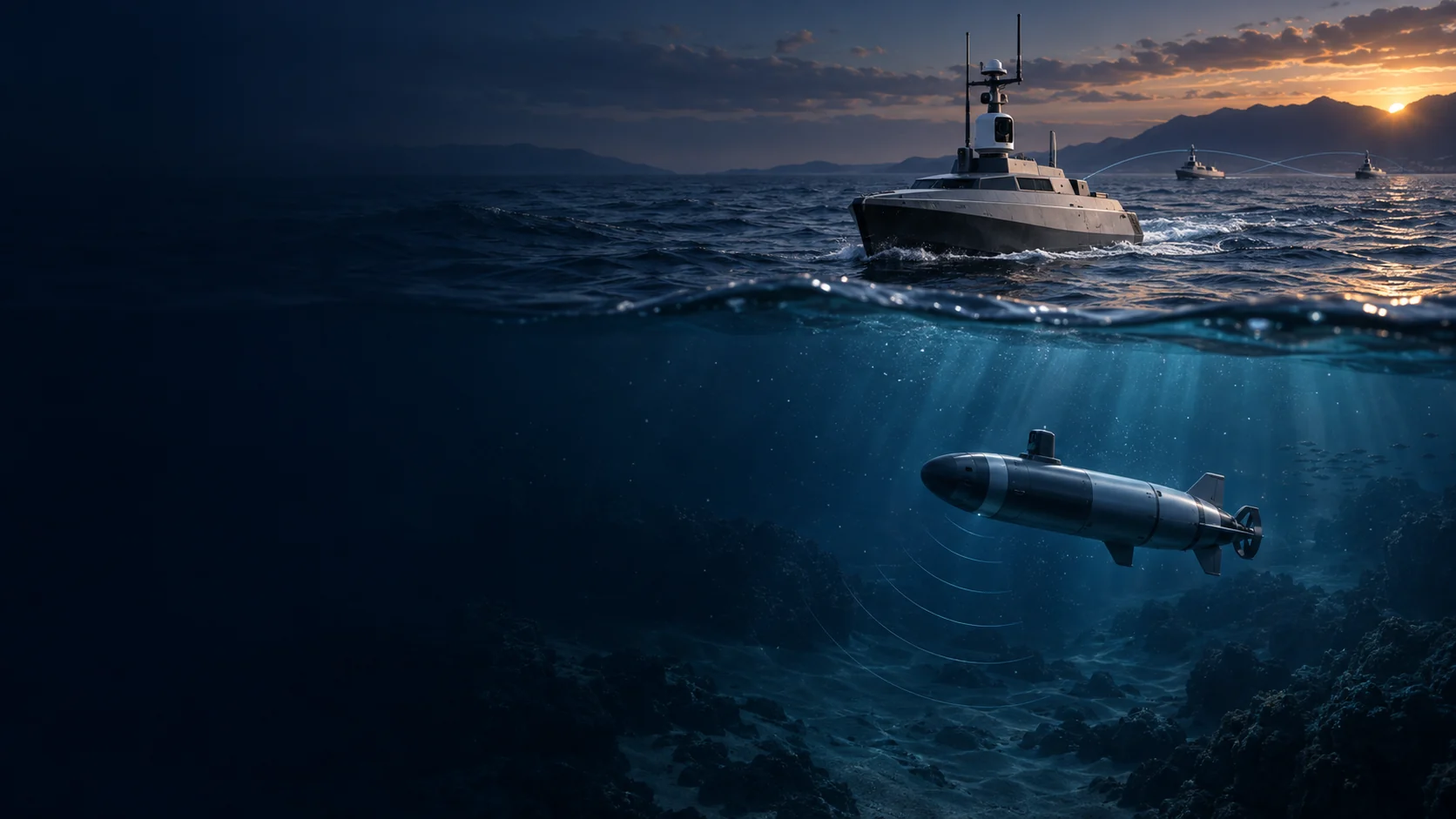
AI-enabled awareness for maritime surveillance, unmanned surface and subsurface systems, navigation and fleet coordination.
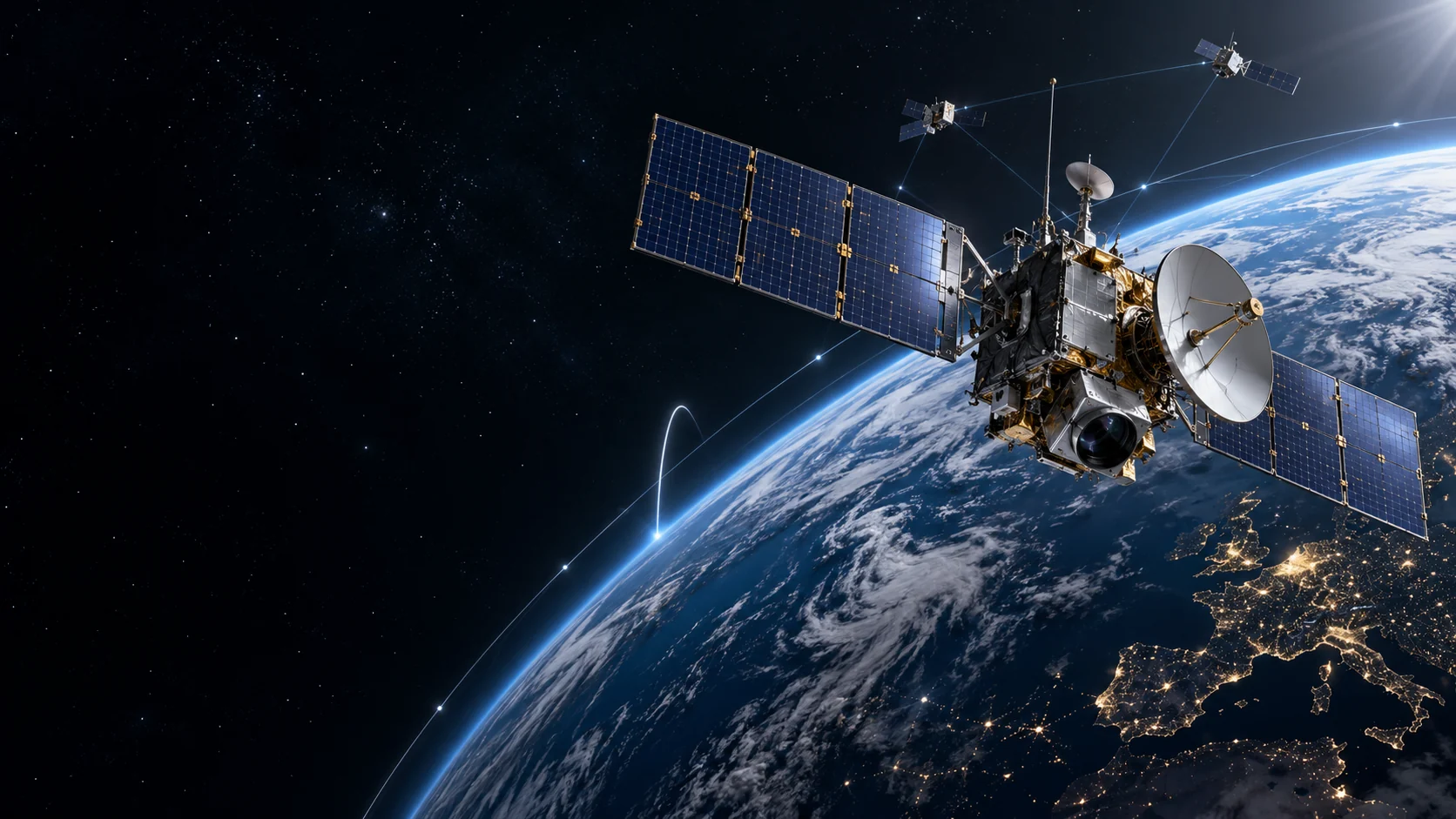
Space-domain intelligence supporting orbital awareness, launch and aerospace mission planning, satellite health and resilient communications.
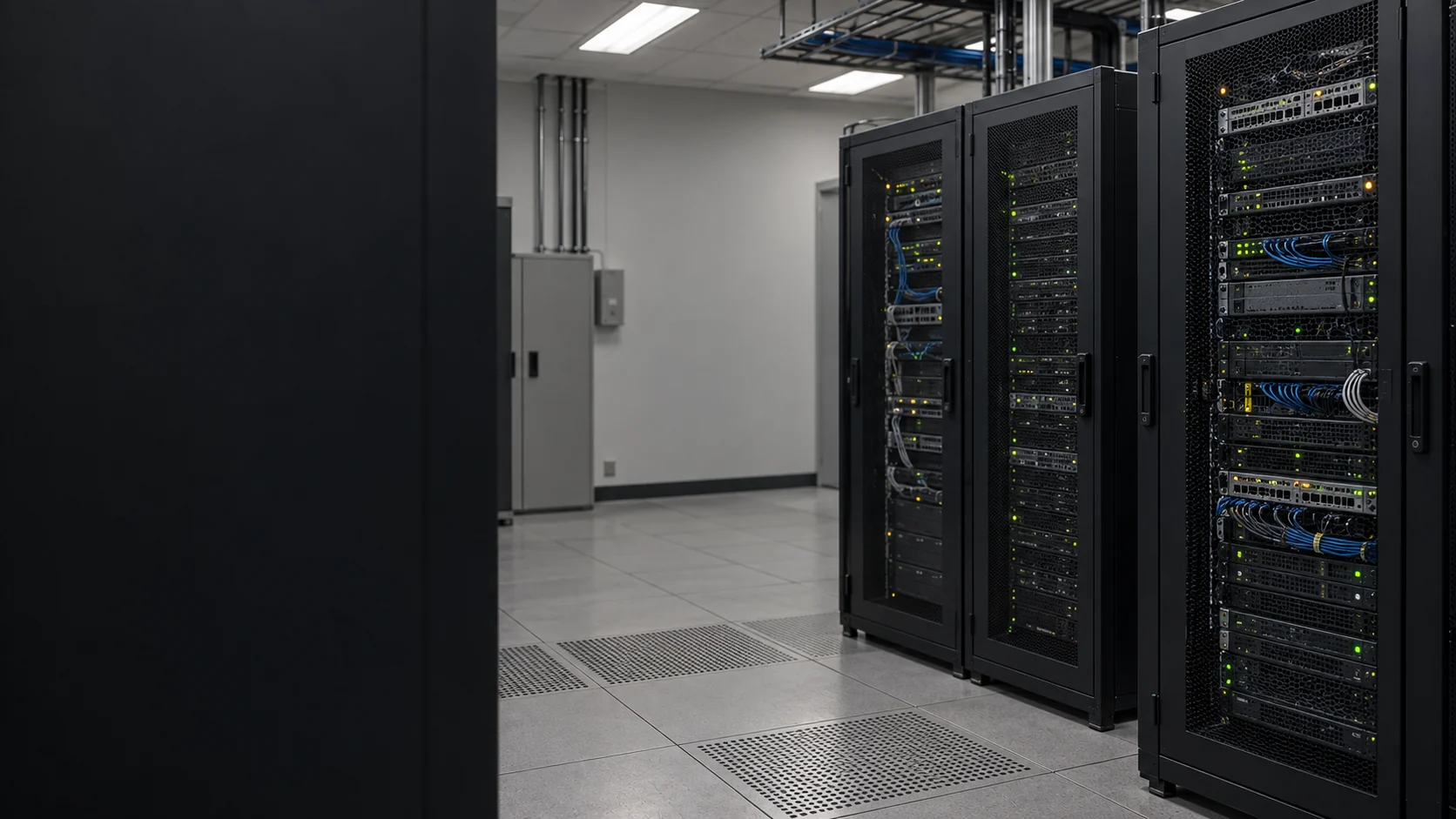
AI-assisted protection for defense networks and critical infrastructure using continuous monitoring, behavioral analysis and resilient response workflows.
Explore a satellite health review using illustrative data. This demo uses sample data to show how an operator could review satellite health. It is not connected to a satellite or an active AI model.
The sample telemetry is within the scenario's expected range. The operator can continue routine monitoring.
Sample asset: QEVRATH DEMO-01 · Synthetic values · Operator review required before action
Mission systems should degrade predictably, preserve critical functions and recover safely when connectivity, positioning or compute availability changes.
QEVRATH separates shared infrastructure from mission applications so capabilities can evolve independently without collapsing into one monolithic model.
Operators should understand data provenance, model confidence, authorization state and the sequence of decisions that produced a mission recommendation.
The QEVRATH architecture prioritizes integration with heterogeneous sensors, command environments and mission systems instead of assuming a clean-sheet defense stack.
QEVRATH's AI architecture separates sensing, reasoning, recommendation and authorization. High-consequence actions are governed by mission policy, access controls, auditability and explicit human authority.
The architecture is designed to support defensive AI while preserving clear boundaries around who can authorize what, under which mission conditions, with what evidence and with what fallback state.
Combine distributed sensor streams into a coherent, continuously refreshed operational picture.
Surface patterns, anomalies, uncertainty and forecasted changes that may matter to operators.
Support resilient mobility and mission planning for aerospace and unmanned systems.
Help teams compare options, coordinate assets and maintain shared situational context.
Detect behavioral anomalies, prioritize incidents and support resilient containment workflows.
Support orbital awareness, satellite health, communications resilience and aerospace mission context.
Evaluate systems and mission concepts in controlled digital environments before field deployment.
Forecast maintenance needs, resource constraints and platform readiness across complex fleets.
Haryati founded QEVRATH around a long-term vision for defense intelligence: create a unified defense AI capable of bringing together autonomous navigation, multi-domain awareness, cyber defense, command intelligence, simulation and mission readiness within one coherent intelligence system.
QEVRATH is being developed around the belief that advanced defense AI should combine technical capability with disciplined architecture, human authority, operational resilience and clear mission boundaries.
QEVRATH welcomes strategic conversations with government institutions, defense and aerospace companies, technology partners, research organizations and investors aligned with the future of advanced defense AI.
We are particularly interested in partnerships and investment discussions that can support technical development, system validation, secure integration, research, deployment readiness and long-term growth.
For partnership opportunities, strategic collaboration, technology integration, research, government programs or investment discussions, contact the QEVRATH team directly.
contact@qevrath.com ↗A unified defense AI for autonomous systems, aerospace, intelligence, cyber defense, command operations, simulation and national-security infrastructure.
Start a partnership conversation →